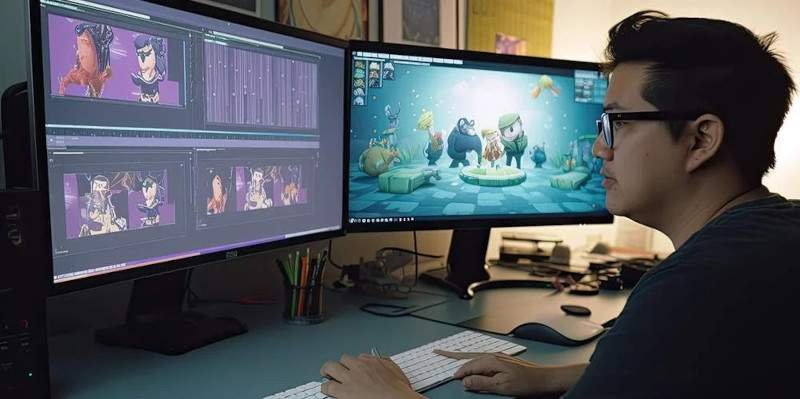
The moment a new animated film begins, something remarkable happens. You’re not just watching characters move; you’re stepping into an entirely new reality, a universe meticulously crafted to capture your imagination. This isn't accidental. It's the profound impact of Visual Design & World-Building for Animated Films, a process that elevates a simple story into an unforgettable, immersive experience. It’s the magic behind every soaring cityscape, every quirky creature, every whispered legend that makes you believe a world truly exists beyond the screen.
When executed masterfully, visual design and world-building transform flat narratives into vibrant ecosystems where every detail — from the texture of a cobblestone street to the unique dialect of a forest sprite — contributes to a cohesive, believable, and deeply engaging story. This guide isn't just about drawing pretty pictures; it’s about architecting entire realities, giving life to places and cultures that resonate long after the credits roll.
At a Glance: Your Blueprint for Animated Worlds
- Beyond the Frame: Understand world-building as creating detailed, immersive animated universes, not just backdrops.
- The Building Blocks: Discover the core components: concept design, environment, cultural development, character integration, technical execution, and story.
- Why It Matters: Learn how robust world-building enhances storytelling, fosters audience immersion, and even drives business success.
- Step-by-Step: Follow a practical guide from pre-production vision to post-production polish.
- Your Toolkit: Explore essential software, from free open-source options to professional-grade engines.
- Overcoming Obstacles: Get smart strategies for managing budgets and deadlines.
- Future Forward: Peek into emerging tech like AI, VR, and real-time rendering shaping tomorrow's animated worlds.
- Mastering the Art: Absorb best practices, common pitfalls, and inspiring examples from iconic animated universes.
Beyond the Frame: What is World-Building in Animation?
Think about your favorite animated films. What sticks with you? Often, it’s not just the characters or the plot, but the place they inhabit. The sprawling, neon-drenched metropolis of San Fransokyo in Big Hero 6, the vibrant, musical realm of Santa Cecilia in Coco, or the boundless, fantastical Land of Ooo in Adventure Time—these aren't just settings; they are characters in themselves, brimming with personality and history.
This is the essence of world-building in animation: the deliberate and detailed process of creating cohesive, immersive environments and universes using animated techniques. It's about designing every aspect of a fictional space—its landscapes, architecture, ecosystems, cultures, and even its unique logic and history—to serve as a living, breathing backdrop for your narrative.
Unlike traditional animation, which might prioritize character design or plot progression above all else, world-building places a premium on a believable setting that enriches the story. It aims to craft worlds with their own distinct rules, geography, inhabitants, and lore, inviting the audience to step inside and explore. This approach isn't limited to fantasy or sci-fi; it's equally powerful in historical dramas, urban tales, or whimsical adventures, always aiming for deep audience immersion.
The Blueprint for Believability: Core Components of Animated Worlds
Building an animated world from scratch is like constructing a complex, multi-layered ecosystem. Each component must be thoughtfully designed and integrated to create a truly believable and immersive experience.
Crafting the Look and Feel: Concept Design
Every great world starts with an idea, a mood, a visual signature. Concept design is where you define the entire visual style, tone, and aesthetic. This isn't just about drawing; it's about conveying emotion. Will your world be bright and whimsical, dark and gritty, or a blend of both?
- Sketches and Illustrations: Initial roughs to capture ideas, character silhouettes, and environmental elements.
- Mood Boards: Collections of images, colors, textures, and references that establish the emotional palette and overall vibe.
- Color Palettes: Defining the specific color schemes that evoke particular feelings and help distinguish different areas or factions within your world. Think about how Inside Out used distinct colors for each emotion's "world."
- Art Style Guides: Detailed documents that ensure consistency across all visual assets, from character models to background props.
Building the Stage: Environment Design
Once you have a conceptual direction, environment design brings the physical spaces to life. This is where your world gets its tangible form.
- Physical Spaces: Creating landscapes (mountains, oceans, forests), architecture (buildings, cities, homes), and unique geographical features.
- Textures and Materials: Deciding on the surface qualities—is that rock rough or smooth? Is the fabric worn or new? These details add realism and depth.
- Lighting and Atmospheric Effects: How light behaves in your world dramatically impacts mood. Is it a perpetual twilight, a sun-drenched paradise, or a fog-shrouded mystery? Atmospheric effects like rain, snow, or dust storms add dynamism and believability.
- Flora and Fauna: Designing unique plants and creatures that naturally fit within your world's ecosystem, as seen in the meticulously crafted environments of a major studio known for its immersive narratives. Explore the Pix ar universe to see how intricate these biological designs can be, supporting the world's internal logic.
Giving It a Soul: Cultural Development
A world without culture is just a backdrop. To make it truly live, you need to imbue it with history, traditions, and a sense of shared identity for its inhabitants.
- Unique Cultures: Developing distinct societal structures, belief systems, social norms, and ways of life.
- Languages and Dialects: Even if only hinted at, unique linguistic elements can add incredible depth.
- Traditions and Rituals: Think of the Day of the Dead celebration in Coco, which is central to the film's cultural richness and emotional core.
- History and Lore: Crafting a backstory for your world, including significant events, myths, and legends that influence its present state.
Who Lives Here? Character Integration
Your characters aren't just performing in your world; they're an integral part of it. Character integration ensures a symbiotic relationship between your inhabitants and their environment.
- Interaction with Environment: How do characters move, adapt, and react to their surroundings? Do they climb walls, swim through currents, or navigate busy markets?
- Design Reflecting Culture: Character costumes, tools, and even physical appearances should reflect the cultural development and environmental influences of their world.
- Character Arc within World: How does the world itself challenge, support, or transform your characters?
Bringing It to Life: Technical Execution
The most brilliant designs remain ideas without the technical wizardry to manifest them on screen.
- Animation Software: Utilizing industry-standard tools for 3D modeling, rigging, texturing, and animating.
- Rendering Engines: Transforming 3D models into 2D images or frames, adding complex lighting, shadows, and reflections.
- Special Effects (VFX): Incorporating elements like magic, explosions, water simulations, or fantastical creature effects to enhance realism or spectacle.
Weaving it into the Story: Story Integration
Ultimately, your world must serve your narrative. This component emphasizes the collaborative link between the world you build and the story you tell.
- World as a Narrative Device: The environment can present obstacles, offer solutions, or reveal crucial plot points.
- Collaboration: Constant communication between writers, concept artists, animators, and directors ensures the world not only looks great but also strengthens the storytelling.
- Emotional Resonance: The world should evoke specific emotions, enhancing the narrative's impact and making the audience feel what the characters feel.
More Than Just a Pretty Picture: Why Detailed Worlds Matter
The effort poured into visual design and world-building isn't merely an aesthetic choice; it’s a strategic imperative that profoundly impacts storytelling, audience engagement, and even commercial success.
Enhancing Storytelling: The Heartbeat of Narrative
A well-built world doesn't just look good; it feels real, giving your story a grounded place to unfold.
- Fostering Audience Immersion: When a world feels believable and consistent, viewers are more willing to suspend their disbelief. They stop "watching" and start "experiencing," becoming emotionally invested in the characters' journeys within that universe. This immersion is the holy grail of storytelling.
- Supporting the Narrative (World as Character): Sometimes, the setting itself becomes a crucial character. Think of the sprawling, dynamic city in Zootopia, which actively drives conflict and character development. Its distinct districts embody different social structures and challenges.
- Establishing Tone and Mood: The visual design of a world immediately signals its genre and emotional leaning. A dystopian future city evokes tension, while a whimsical forest hints at adventure. Colors, shapes, and lighting all contribute to this unspoken communication.
- Encouraging Deeper Audience Investment: A rich world invites exploration and speculation. Audiences love discovering hidden lore, subtle details, and the implications of a world's unique rules, fostering a deeper, more lasting connection.
The Business Edge: Beyond Entertainment
The power of animated world-building extends far beyond feature films and series. Businesses across various sectors are leveraging this immersive approach to connect with their audiences in powerful new ways.
- Brand Storytelling: Companies like Coca-Cola have used animated commercials to build nostalgic, fantastical worlds that resonate with consumers, connecting their brand to emotions and experiences.
- Marketing and Advertising: Creating mini-universes for product launches or campaigns captures attention and makes messaging more memorable. Imagine a product living in its own charming, animated dimension.
- Product Development (e.g., Video Games): For industries like gaming, world-building is paramount. Games like Legend of Zelda or Minecraft rely entirely on richly imagined worlds to drive engagement and playability. Animated world-building techniques translate directly to creating compelling interactive environments.
- Engaging Training and Educational Content: Complex concepts can be simplified and made more engaging by placing them within a relatable, animated world. Think of an animated journey through the human body for medical students, or a whimsical exploration of physics principles for children. This makes learning memorable and fun.
Crafting Your Universe: A Step-by-Step Production Guide
Bringing an animated world to life is an intricate dance of creativity and technical skill. Following a structured approach can help streamline the process and ensure a cohesive final product.
Phase 1: Pre-Production Essentials
Before a single frame is animated, critical foundational work must be laid. This is where your world truly begins to take shape on paper and in discussion.
1. Define the Vision: Your North Star
Every journey needs a destination. Start by clearly articulating what kind of world you want to build and why.
- Purpose: What is the world's primary function in your story? Is it a refuge, an adversary, or a catalyst for change?
- Target Audience: Who are you building this world for? Children, teens, adults? Their age and interests will heavily influence style and complexity.
- Emotional Impact: What feelings do you want your world to evoke? Awe, fear, joy, mystery?
2. Research and Inspiration: Fueling Creativity
No world exists in a vacuum. Great world-building often draws from real-world elements and successful precedents.
- Study Real-World Elements: Research history, geography, anthropology, architecture, and natural phenomena. Even the most fantastical worlds benefit from a grounding in reality.
- Explore Successful Animation Examples: Analyze films and series known for their world-building. What makes Spirited Away's spirit world so captivating? How does Arcane blend distinct districts into one compelling city?
- Gather Diverse References: Don't limit yourself. Look at art, photography, literature, and even scientific concepts.
3. Create a World Bible: The Sacred Text
This is your definitive reference document, ensuring consistency and clarity for everyone involved.
- History and Lore: Detail your world's past, including significant events, creation myths, and the evolution of its societies.
- Geography and Maps: Sketch out continents, cities, natural landmarks, and their relationships. A visual map is invaluable.
- Rules and Physics: Establish the fundamental laws of your world, especially if it involves magic or unique scientific principles. How does gravity work? What are the limits of magic?
- Character and Culture Descriptions: Profiles of key inhabitants, their customs, social structures, and unique traits.
4. Assemble the Team: Your World-Building Architects
Building a universe is a collaborative endeavor. You need diverse talents working in harmony.
- Concept Artists: Visionaries who translate ideas into compelling visuals.
- Writers/Story Developers: Those who define the narrative, lore, and character arcs.
- Animators/Modelers: The technical experts who bring the designs to life in 2D or 3D.
- Directors/Art Directors: The guiding hands who ensure a unified vision and aesthetic.
- Sound Designers: Often overlooked, but crucial for immersion – the ambient sounds of your world matter.
5. Develop Storyboards: Visualizing the Journey
Storyboards are comic-strip-like visual representations of your scenes, helping to plan the flow and integrate the world with the narrative.
- Scene Visualization: How characters interact with their environment in specific moments.
- Narrative Flow: Ensuring seamless transitions and logical progression within the world.
- Environmental Cues: Identifying how the world itself can highlight emotions or advance the plot.
Phase 2: Production & Post-Production Excellence
With the foundation laid, it’s time to move into the active creation and refinement phases.
1. Focusing on the Finer Details
The magic is often in the minute. Small, thoughtful touches can elevate a world from good to extraordinary.
- Environmental Storytelling: What does that graffiti say? Why is that building leaning? Use background elements to subtly tell stories and hint at history.
- Props and Artifacts: Designing unique objects that reflect the culture and technology of your world.
- Soundscapes: Developing distinct ambient sounds, character voices, and musical motifs that are unique to your world.
2. Leveraging Cutting-Edge Software
The right tools empower your team to realize complex visions efficiently.
- 3D Modeling & Animation: Tools like Blender, Maya, and Cinema 4D are essential for creating characters, props, and environments.
- Texturing & Sculpting: Software like ZBrush allows for incredible detail in character and environmental assets.
- Real-Time Engines: Unreal Engine, increasingly popular, allows for rapid iteration and stunning visuals directly within the engine, cutting down on rendering times and enabling interactive experiences.
3. The Power of Collaboration
Effective communication across all departments is non-negotiable for maintaining consistency and achieving a unified vision.
- Regular Check-ins: Consistent meetings and reviews to ensure everyone is on the same page regarding art direction, technical execution, and story needs.
- Shared Assets and Libraries: Centralized repositories for models, textures, and concepts to ensure everyone is using the latest, approved versions.
- Feedback Loops: A culture of constructive criticism and open dialogue helps refine ideas and catch inconsistencies early.
4. Test, Iterate, Refine
Animation is an iterative process. Rarely is the first draft the final product.
- Pre-visualization (Pre-vis): Creating rough animated versions of scenes to test camera angles, timing, and character blocking within the environment.
- Feedback Integration: Actively seeking and incorporating feedback from team members, test audiences, and stakeholders.
- Continuous Improvement: Being open to making changes and refining elements even late in the process to achieve the best possible result.
5. Polishing to Perfection
The final touches bring your world to its full, breathtaking potential.
- Final Lighting and Rendering: Optimizing light sources, shadows, and material properties to achieve the desired mood and visual fidelity.
- Sound Design and Mixing: Layering sound effects, dialogue, and music to create an immersive audio experience that complements the visuals.
- Color Grading: Adjusting the overall color palette of the final frames to enhance emotional impact and ensure visual consistency across the entire film.
Your Toolkit for Creation: Essential Software for World-Building
Choosing the right software is crucial for both efficiency and the quality of your animated world. Here's a look at some of the top contenders.
The Heavy Hitters: Top Software Tools
- Blender: This free, open-source juggernaut is incredibly comprehensive. It handles 3D modeling, sculpting, animation, rigging, simulation, rendering, and even video editing. Its robust feature set and active community make it an excellent choice for individuals and small studios.
- Autodesk Maya: The industry standard for professional-grade 3D animation, modeling, simulation, and rendering. Maya is renowned for its advanced tools for character animation and visual effects, used by major studios worldwide. Its power comes with a steeper learning curve and a subscription cost.
- Unreal Engine: While primarily known for game development, Unreal Engine is rapidly becoming a powerhouse for animated film production due to its real-time rendering capabilities. This means you can see your animated world rendered instantly, significantly speeding up iteration and allowing for highly immersive, interactive experiences.
- Cinema 4D: User-friendly and intuitive, Cinema 4D is popular for motion graphics, visual effects, and 3D modeling. It’s known for its relatively gentle learning curve compared to Maya, making it a favorite for designers looking to quickly integrate 3D into their workflow.
- ZBrush: If detailed models are your game, ZBrush is your tool. It's a digital sculpting application praised for its ability to create highly organic, high-resolution models with intricate details, perfect for fantastical creatures or intricate environmental elements.
Free vs. Paid: Making the Right Choice
The decision between free and paid software often boils down to budget, team skill, and project scope.
| Feature | Free Tools (e.g., Blender) | Paid Tools (e.g., Maya, Unreal Engine Pro) |
|---|---|---|
| Cost | Free, open-source | Expensive annual or monthly subscriptions |
| Features | Comprehensive, continually updated | Often more specialized, cutting-edge features |
| Learning Curve | Moderate (can be steep for advanced) | Generally steeper due to complexity |
| Community Support | Strong, active online communities | Professional support, dedicated training |
| Suitability | High for beginners, indie projects | High for professional studios, complex projects |
| For startups and independent creators, starting with Blender can provide a robust foundation without the financial barrier. As projects grow in complexity or require highly specialized pipelines, investing in paid professional tools becomes a worthwhile consideration. |
Navigating the Hurdles: Common Challenges and Smart Solutions
Even with the best vision and tools, world-building in animation comes with its share of practical challenges. Knowing how to anticipate and address them can save immense time and resources.
The Eternal Struggle: Budget Constraints
Building a detailed animated world can be incredibly expensive, especially for large-scale projects.
- Solution 1: Embrace Free/Affordable Tools: As discussed, Blender offers a professional-grade suite of tools at no cost. Many other open-source or one-time purchase alternatives exist for specific tasks.
- Solution 2: Prioritize Elements: Not every detail needs to be hyper-realistic or custom-made. Identify the crucial elements that must convey the world's unique identity, and simplify or reuse assets for less critical areas.
- Solution 3: Smart Asset Libraries: Utilize pre-made asset libraries (often available for free or purchase) for common elements like trees, rocks, or basic architectural components, and then customize them to fit your world's aesthetic.
- Solution 4: Outsourcing Strategically: For specific, time-consuming tasks (e.g., highly detailed models, complex rigging), consider outsourcing to skilled freelancers or smaller studios that may offer more competitive rates.
The Ticking Clock: Managing Deadlines
Animation production is notoriously time-consuming, and world-building adds another layer of complexity. Missed deadlines can inflate budgets and derail projects.
- Solution 1: Create Detailed Timelines: Break down the entire world-building process into granular tasks, assigning realistic deadlines for each. Factor in time for concept approval, asset creation, integration, and iteration.
- Solution 2: Utilize Project Management Tools: Software like Asana, Trello, or Jira can help track progress, assign tasks, manage dependencies, and provide a clear overview of the project's status.
- Solution 3: Conduct Regular Progress Reviews: Frequent check-ins with the team ensure that everyone is meeting their targets and allows for early identification of potential roadblocks.
- Solution 4: Agile Methodologies: Consider adopting agile principles (short sprints, frequent feedback) to adapt to changes quickly and keep the project moving forward efficiently.
- Solution 5: Modular Design: Design your world in modular pieces that can be developed concurrently by different teams, then assembled. This speeds up production without compromising cohesion.
The Horizon Ahead: Future Trends Shaping Animated Worlds
The field of animation is constantly evolving, with new technologies promising to revolutionize how we build and experience animated worlds.
Emerging Technologies: The Next Frontier
- AI and Machine Learning: Imagine AI automating repetitive tasks like generating environmental assets (trees, rocks, debris) or even assisting with procedural world generation based on defined parameters. AI could also help analyze audience preferences to optimize world design elements for maximum engagement.
- Virtual Reality (VR): VR offers the ultimate immersive experience. Future animated films could be interactive VR experiences, allowing audiences to physically step into and explore fully realized animated worlds, rather than just watching them on a screen.
- Real-Time Rendering: Already making waves, real-time rendering engines like Unreal Engine are drastically reducing production times. This technology allows animators and directors to see final-quality visuals instantly, enabling faster iteration, more creative freedom, and potentially blurring the lines between game development and film production.
Predictions for the Next Decade
The coming years will likely see these trends converge, creating unprecedented opportunities for world-builders.
- Increased Use of AI-Driven Tools: AI will become an indispensable assistant, handling routine tasks and empowering artists to focus more on creative problem-solving.
- Greater Integration of VR and Augmented Reality (AR): Animated worlds won't just be viewed; they'll be experienced. Imagine AR overlays bringing animated characters into your living room, or VR experiences allowing you to walk through the Land of Ooo.
- Expansion into New Industries: Beyond entertainment, expect animated world-building to become a staple in healthcare (e.g., visualizing complex medical procedures), education (e.g., interactive historical simulations), and architectural visualization (e.g., virtual walkthroughs of future buildings). The demand for skilled world-builders will only grow.
Worlds That Stick With You: Iconic Examples in Animation
Learning from the masters is crucial. These examples showcase diverse approaches to world-building and their lasting impact.
- Pandora in Avatar (2009): While a hybrid film, its animated elements are integral. James Cameron's Pandora is a masterclass in meticulous biological and cultural crafting. Its glowing flora, interconnected ecosystems, and the distinct Na'vi culture, complete with its own language and spiritual beliefs, created a world that felt utterly alien yet eerily believable, prompting a deep audience desire to be there.
- The Wizarding World in Harry Potter: Though rooted in live-action, the animated elements (like the Marauder's Map, the moving portraits, or the magical creatures brought to life) are crucial to its richness. The world's detailed history, intricate rules of magic, and distinct locations (Hogwarts, Diagon Alley) are so well-developed that they feel like tangible places, enhancing the sense of wonder and escape.
- The Land of Ooo in Adventure Time (2010-2018): A seemingly whimsical, post-apocalyptic world that masterfully blends humor, adventure, and surprising emotional depth. Ooo's slowly revealed history, like "The Great Mushroom War," gives its bizarre landscapes, unique creatures, and diverse kingdoms a profound, melancholic undercurrent, proving that even the most fantastical worlds benefit from coherent lore.
- The Unnamed City in Hey Arnold! (1996-2004): A fantastic example of realistic world-building in a seemingly mundane setting. This city is a vibrant pastiche of New York, San Francisco, Portland, and Seattle, enriched by its own urban legends (like "Pigeon Man") and distinct neighborhoods. It grounds its characters in a tangible, relatable urban environment that feels lived-in and full of untold stories.
- Third Street Elementary School in Recess (1997-2001): A microcosm of society, this schoolyard becomes a self-contained world with its own social hierarchies, unspoken rules, and imaginative legends (like the dreaded "Teacher's Lounge"). It explores adventure in the mundane and the rich tapestry of childhood imagination, proving you don't need magic to build a compelling universe.
- Nowhere in Courage the Cowardly Dog (1999-2002): A rural "middle of nowhere" farm that constantly transforms into a horror-infused setting. The visual design masterfully uses surrealism, grotesque imagery, and unsettling soundscapes to create a world where the absurd and the terrifying coexist, perfectly complementing the show's dark humor and unique tone.
- Foster's Home for Imaginary Friends (2004-2009): This vast, Victorian-style house is a world in itself, overtly contrasting the absurd (imaginary friends of every shape and size) with the mundane (the rules and routines of the home). Its intricate architecture and constantly shifting population make it a dynamic environment where anything feels possible.
- Gravity Falls (2012-2016): A sleepy Oregon town that's a magnet for the supernatural. This world cleverly blends the quaint and the magical, populating its forests with gnomes, man-otaurs, and secret codes. Its rich lore and hidden elements encourage viewer engagement, making the town feel like a character with its own mysteries and emotional depth.
- Motorcity (2012-2013): A dystopian future Detroit where a vibrant underground community fights against an oppressive overlord. This world is a visual feast of technology and nature melding together, with unique vehicle designs and distinct architectural styles. It's a testament to how visual design can convey a world's history, conflict, and hope through its very fabric.
The Art of Immersion: Principles for Truly Engaging Worlds
Building a universe isn't just about creating complex details; it's about crafting an experience. Here's how to ensure your animated world truly resonates.
Anchoring the Fantastic: Suspending Disbelief
Even in the most outlandish fantasy world, audiences need something to latch onto.
- Familiar Elements: Anchor your fantastical worlds with relatable concepts—universal emotions, recognizable social structures, or physics that (mostly) make sense until magic intervenes. This allows viewers to find an entry point into the unfamiliar.
- Internal Consistency: Establish your world's rules early and stick to them. If magic works a certain way, it should always work that way (unless a clear explanation for deviation is provided). Inconsistencies shatter immersion.
- Show, Don't Tell: Instead of expository dumps, let your world reveal itself through actions, visuals, and character interactions. The glowing plants of Pandora tell you more about its ecosystem than a narrated paragraph ever could.
Guiding, Not Overwhelming: Avoid the "Info-Dump"
A common pitfall is feeling the need to explain every single detail of your world upfront. This can overwhelm and disengage the audience.
- Strategic Revelation: Offer just enough information to guide viewers through the narrative, but leave room for mystery and discovery. Encourage exploration, both within the story and by the audience.
- Organic Discovery: Allow characters to uncover lore and history as part of their journey. This integrates world-building into the plot, making it feel natural and impactful.
- Visual Cues over Dialogue: Let the visual design do the heavy lifting. A broken statue might hint at a forgotten war; a unique piece of architecture might speak volumes about a culture's values.
The World-Builder's Manifesto: Do's and Don'ts
To build worlds that audiences cherish, keep these principles in mind:
Do's for World-Building Success:
- Do engage in detailed pre-production planning: Your World Bible is your greatest asset.
- Do use high-quality tools and skilled artists: Invest in the best talent and technology you can afford.
- Do foster collaboration across your team: Unity of vision is paramount.
- Do test and iterate regularly: Refinement is key to perfection.
- Do focus on story integration: Your world must always serve the narrative.
- Do prioritize uniqueness: Strive for distinct visual styles and cultural elements.
- Do consider the world's impact on its inhabitants: How does the environment shape the characters?
Don'ts to Avoid:
- Don't rush concept design: This foundational stage sets the tone for everything else.
- Don't compromise quality for cost in critical areas: Some details are non-negotiable for immersion.
- Don't work in isolation: World-building is a team sport; avoid creative silos.
- Don't ignore feedback: Constructive criticism refines your vision.
- Don't let the world overshadow the narrative: The world should enhance the story, not replace it.
- Don't contradict your own established rules: Consistency is king.
- Don't info-dump: Trust your audience to discover, and trust your visuals to convey.
Your Burning Questions Answered: World-Building FAQs
Got more questions about diving into animated world-building? Here are quick answers to some common queries.
Q: What is the average cost for animation production for world-building?
A: The cost varies massively, from a modest $10,000 for a small, indie-style project to millions of dollars for a feature-film-level production. Factors include scope, complexity, animation style (2D vs. 3D), team size, and software licenses.
Q: How long does it typically take to build an animated world?
A: Depending on the scope, it can take anywhere from a few months for a contained short-form project to several years for a feature film or an expansive series. Pre-production alone (concept, lore, art bible) can take many months.
Q: What are the essential skills for someone looking to get into world-building for animation?
A: Key skills include concept design/illustration, 3D modeling, animation principles, strong storytelling ability, and technical proficiency with animation software. A deep understanding of history, architecture, and cultural studies is also a huge advantage.
Q: Is remote collaboration feasible for world-building projects?
A: Absolutely. With cloud-based project management tools, shared asset libraries, and reliable communication platforms, remote teams can effectively collaborate on complex world-building projects. Many modern animation studios operate with distributed teams.
Q: Which industries benefit most from animation production for world-building?
A: The entertainment industry (film, TV, streaming), gaming, advertising, education, and healthcare are among the top beneficiaries. World-building creates engaging content that informs, entertains, and motivates across these sectors.
Ready to Build Your Own Universe?
Visual design and world-building are the bedrock of truly impactful animated storytelling. They invite audiences not just to watch, but to live, breathe, and believe in the worlds you create. It's a journey that demands creativity, technical skill, and an unwavering commitment to detail, but the rewards are immense: the creation of unforgettable universes that leave an indelible mark on the imagination.
So, roll up your sleeves, fire up your software, and start imagining. Your next great animated universe is waiting to be built.