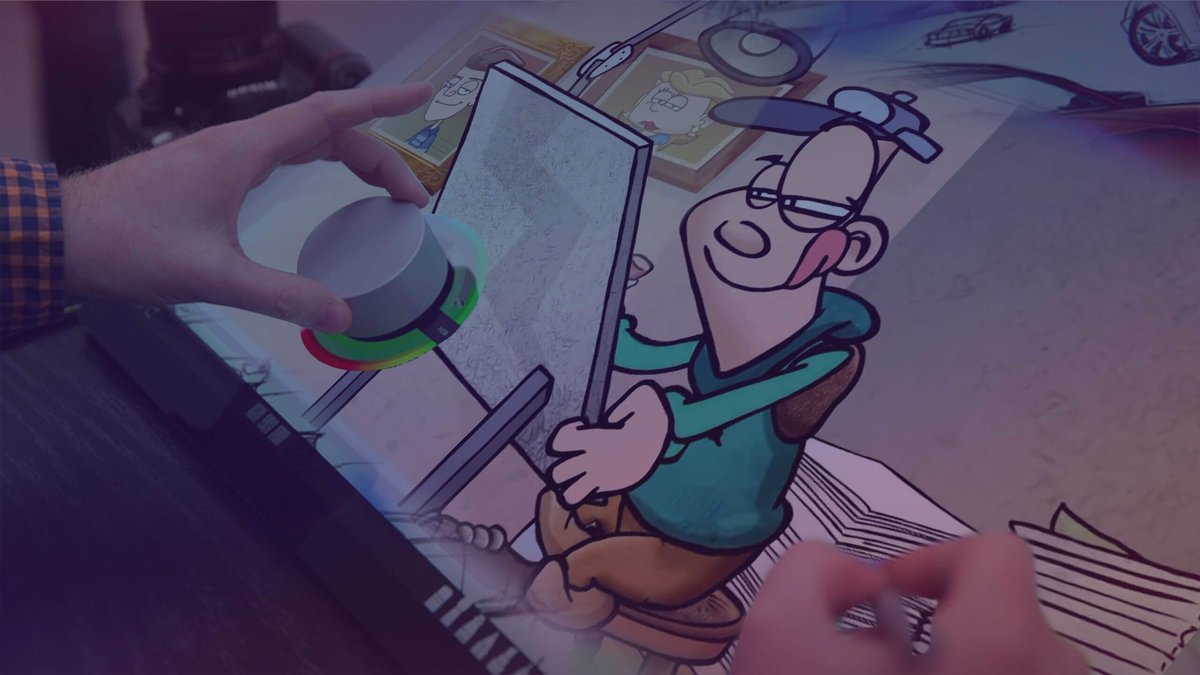
The world of animation is a captivating blend of art and science, constantly evolving yet rooted in timeless principles. Whether you're captivated by the lifelike movements of a Pixar film, the classic charm of a hand-drawn cartoon, or the intricate detail of a stop-motion masterpiece, understanding the core Animation Techniques & Principles (2D, 3D, Stop-Motion) is key to appreciating and creating these incredible illusions. From the very first flickers of movement to today's hyper-realistic digital worlds, animators use a diverse toolkit to breathe life into the inanimate, evoke emotion, and tell compelling stories.
At a Glance: Your Quick Guide to Animation Mastery
- The 12 Principles are Universal: Originally from Disney, these foundational rules apply across all animation types (2D, 3D, stop-motion) to create believable, expressive movement.
- 2D Animation is Versatile: From traditional hand-drawn cel animation to modern vector graphics and motion design, 2D techniques offer a wide range of styles for different purposes.
- 3D Animation Builds Worlds: Computer-generated imagery (CGI) allows for complex characters, environments, and immersive experiences, pushing the boundaries of realism and fantasy.
- Stop-Motion is Tangible Art: This frame-by-frame technique uses physical objects, offering a unique tactile aesthetic and often a charming, handcrafted feel.
- Choosing Your Method Matters: Your project's goals, budget, audience, and desired aesthetic will guide your choice of technique.
- Story is King: Regardless of the technique, a strong narrative and compelling character performance remain the heart of great animation.
The Invisible Threads: Unpacking the 12 Principles of Animation
Before we dive into the diverse world of animation techniques, it’s crucial to understand the bedrock upon which all successful animation is built: the 12 Principles of Animation. Documented by Disney legends Ollie Johnston and Frank Thomas in their 1981 seminal work, The Illusion of Life: Disney Animation, these principles emerged from decades of trial and error, designed to make animated characters feel alive, grounded in physics, and rich with emotional depth. They are a universal language, transcending medium to guide animators in 2D, 3D, stop-motion, and even modern motion graphics.
1. Squash and Stretch
This principle gives objects and characters a sense of weight, volume, and flexibility. Imagine a bouncing ball: it squashes upon impact and stretches as it accelerates. The key is to maintain the object's perceived volume; if it stretches vertically, it must narrow horizontally. This isn't just for cartoon physics; subtle squash and stretch can make a character's expression more dynamic or an object's impact feel more powerful.
2. Anticipation
Anticipation prepares the audience for an upcoming action, making movements more believable and impactful. Before a character jumps, they might crouch down. Before throwing a punch, they might pull their arm back. This wind-up motion creates a visual cue, building suspense and ensuring the audience understands the intent, much like a footballer pulling their foot back before kicking a ball.
3. Staging
Staging is about directing the audience's attention to the most important element in a scene at any given moment. This principle borrows heavily from theatre and film direction, using camera angles, character posing, lighting, composition, and even the removal of distracting clutter to ensure clarity. Effective staging means the audience always knows where to look and what to focus on, guiding their emotional journey through the narrative.
4. Straight Ahead Action and Pose to Pose
These are two fundamental approaches to creating animated sequences:
- Straight Ahead Action: The animator draws frame by frame, from start to finish. This method is great for fluid, unpredictable actions like smoke, fire, or fast-paced chases, as it allows for spontaneity. However, it can be challenging to maintain consistent proportions or exact timing.
- Pose to Pose: Animators establish key poses (like extreme points in an action or significant emotional beats) first, then fill in the frames between them (in-betweens). This approach offers more control over timing, composition, and character consistency, making it ideal for dramatic scenes or complex character interactions. Modern computer animation often combines these, assisting with in-betweens for pose-to-pose or refining straight-ahead sequences.
5. Follow Through and Overlapping Action
These principles add realism by reflecting how different parts of a body move at varying rates:
- Follow Through: After a main action stops, subordinate parts of a character or object continue to move due to inertia, eventually settling back. Think of a cape flapping after a hero lands, or hair swaying after a head turns.
- Overlapping Action: Different parts of a body or object move at different times, rather than in unison. For instance, when a character runs, their arms and legs aren't synchronized like a robot; some parts lead, others lag. These subtle delays create organic, natural movement.
6. Ease In, Ease Out (Slow In and Slow Out)
Mimicking real-world physics, objects rarely start or stop instantaneously. They accelerate when beginning an action and decelerate before stopping. This translates to drawing more frames at the beginning and end of an action, making the movement smoother, more realistic, and helping the audience empathize with the character's effort or relaxation. A car doesn't go from 0 to 60 instantly, and neither should an animated character.
7. Arcs
Most natural movement follows a curved path or arc. A character raising their arm, a ball being thrown, or even an eye darting across a scene will move along an arc, not a perfectly straight line. Incorporating arcs makes animation smoother and more believable, preventing stiff or robotic movements. For very fast actions, these arcs can even blur into a "smear" effect, famously used by Chuck Jones in Looney Tunes to convey extreme speed.
8. Secondary Action
Secondary actions are subtle movements that support and enhance the main action without distracting from it. If a character is walking (primary action), their arms might swing, or their hat might bob slightly (secondary actions). These details add depth, personality, and realism to a scene, making characters feel more alive and engaged with their environment.
9. Timing
Timing is paramount for conveying weight, size, and emotional nuance. It refers to the number of frames or drawings used for an action. More frames for an action mean it's slower and heavier; fewer frames mean it's quicker and lighter. Proper timing can make a character seem clumsy or graceful, strong or weak, happy or sad. A heavy object will react slower than a light one, and correct timing grounds the animation in believable physics.
10. Exaggeration
While animation is grounded in reality, exaggeration pushes that reality just beyond its bounds to make actions clearer, more expressive, and more entertaining. Without it, animation can often feel dull or flat. Disney animators were masters of this, using caricature and amplified expressions to make their characters "pop" and resonate more strongly with the audience. It's about intensifying, not distorting beyond recognition.
11. Solid Drawing
This principle emphasizes giving animated characters and objects a sense of three-dimensionality, weight, and volume, even in a 2D space. It requires an understanding of anatomy, perspective, weight, balance, and how light and shadow fall on forms. The goal is to avoid flat, lifeless shapes and to make characters feel substantial, preventing common pitfalls like creating "twins" (perfectly symmetrical, unconvincing poses).
12. Appeal
Appeal is about a character's charisma, their ability to captivate the audience, whether they're a hero, a villain, or a sidekick. It’s what makes viewers want to watch them. This can be achieved through distinctive design choices—like the round, childlike features that elicit an "awww" factor, or the strong, angular lines that define a heroic figure, much like the memorable design of Bruno Madrigal in Encanto. Appeal isn't just about beauty; it's about making a character interesting and memorable.
These 12 principles are not rigid rules but flexible guidelines. They serve as a foundational toolkit, ensuring that any animation, regardless of its style or technique, is believable, engaging, and emotionally resonant.
Flat Worlds, Deep Stories: Exploring 2D Animation Techniques
2D animation, characterized by images with height and width, is arguably where the magic of animation truly began. From its earliest forms to its modern digital iterations, 2D offers incredible versatility, allowing for a vast range of styles and storytelling approaches.
Traditional (Cel/Hand-drawn) Animation
The progenitor of modern animation, traditional cel animation involves manually drawing each frame. Pioneers like Émile Cohl and Walt Disney refined this laborious process, where animators would draw key poses, then "in-betweeners" would fill in the frames. Each drawing was transferred onto clear sheets of celluloid (cel), painted by hand, and then photographed against a static background. Think of classic Tom and Jerry cartoons or early Disney features – this is the iconic hand-drawn look that still captivates audiences.
Vector Animation
A modern evolution of 2D, vector animation creates graphics using mathematical paths rather than pixels. This means vector assets can be scaled to any size without losing quality, making them ideal for web, app interfaces, and explainer videos. Software like Adobe Animate or Toon Boom Harmony allows for efficient character rigging and smooth, scalable motion, often seen in advertising and branded content today.
Cut-out Animation
Originating from shadow puppetry, cut-out animation uses characters and objects created from flat materials like paper, cardboard, or even photographs. These pieces are then arranged and moved frame-by-frame under a camera. Today, this technique is largely digitized, allowing animators to manipulate digital "cut-outs" in software, creating unique aesthetics as famously seen in shows like Archer. It's excellent for explainer videos and distinct storytelling due to its stylized look.
Rotoscope Animation
Rotoscope animation involves tracing over live-action video, frame by frame, to create animated characters with highly realistic movements. First developed in 1914, it's used to achieve natural human motion, simplify crowd scenes, or combine live-action with animated elements. While labor-intensive, it can give a distinctive, fluid quality to animated characters, often found in music videos or stylized commercials.
Sand Animation
A truly unique and artistic technique, sand animation involves artists pouring or drawing with sand on a backlit glass surface, manipulating it to create dynamic, evolving 2D images. Each frame is photographed, creating a fluid, ephemeral animation. Invented in 1969, it's often used for live performances or to illustrate concepts of evolution, change, or delicate transformation, offering an almost impressionistic feel.
Paint-on-Glass Animation
A complex and visually rich technique, paint-on-glass animation involves an artist creating an impressionistic painting directly on glass with oil paints (or similar media) for each frame, photographing it, and then altering the painting for the next frame. Pioneered by artists like Carolyn Leaf in 1976, this technique yields stunning, textured visuals, often used for artistic short films due to its labor-intensive nature.
Drawn-on-Film Animation
This experimental technique involves drawing, scratching, or painting directly onto cinematic film stock, whether pre-sketched or blank. Dating back to 1912, it bypasses the need for a camera or complex software, making it a cost-effective and highly artistic method often used for abstract or experimental animation. The visual results can be quite raw and expressive.
Whiteboard Animation
Popularized for educational and marketing content, whiteboard animation simulates an artist drawing or sketching illustrations on a whiteboard in real-time. It's highly effective for explaining complex concepts step-by-step, engaging the viewer with its simplicity and clarity. While often produced digitally, it maintains the charm of hand-drawn visuals.
Typography Animation (Kinetic Typography)
This style brings text to life, using motion to convey emotion, emphasis, or meaning. Dating back to early cinema and popularized by Alfred Hitchcock, kinetic typography is essential for marketing, social media content, presenting statistics, and e-learning. Animated text can significantly enhance comprehension and engagement.
Motion Graphics
Often confused with 2D animation, motion graphics primarily deal with animating graphic design elements like text, logos, shapes, and abstract visuals rather than character-driven narratives. Originating in 1960, it's prevalent in movie titles, game screensavers, explainer videos, and branding. Channels like Kurzgesagt – In a Nutshell beautifully illustrate the power of motion graphics for complex storytelling.
Japanese Classic Manga & Chibi
- Japanese Classic Manga: A distinct 2D art form derived from Japanese comics, characterized by specific visual conventions like expressive eyes and stylized forms. Often 2D and frequently in black and white, it has a dedicated global audience and is highly effective for targeting specific demographics, embodying rich cultural storytelling.
- Chibi: A substyle of manga, Chibi features characters with exaggerated child-like proportions – large heads, tiny bodies, and oversized eyes. This cute, highly versatile style is popular for promotional videos, merchandise, and content aimed at younger audiences.
Minimalistic Style
Emphasizing simplicity, clean lines, and a limited color palette, minimalistic animation focuses on conveying information efficiently without visual clutter. This style is particularly effective for explainer videos, online services, and software demonstrations where clarity and direct communication are paramount.
Building New Realities: Diving into 3D Animation Techniques
3D animation adds depth and dimension, allowing for the creation of virtual worlds and characters that can be viewed from any angle. While early attempts date back to the 1960s, significant advancements in computer processing power have made 3D a dominant force in nearly every industry.
Computer-Generated Imagery (CGI)
CGI is the cornerstone of modern 3D animation. It involves using computer software to create all elements – characters, environments, objects, and effects – within a three-dimensional space. Animators build models, rig them with virtual skeletons, animate their movements, apply textures, light the scene, and finally render the images. CGI is integral to feature films (like those from our friends who explore the p ix ar hub), video games, advertising, medicine (visualizing organs), architecture (building walkthroughs), and product design (car prototypes).
Mechanical Animation
This specialized form of 3D animation focuses on showcasing the intricate inner workings of devices, machinery, or complex systems. Often combined with standard CGI, mechanical animation visualizes how components interact, helping engineers refine designs, troubleshoot issues, and explain functionality. It's invaluable in technical equipment production and manufacturing for saving costs and improving designs.
HUD Animation (Heads-Up Display)
HUD animation refers to the animated graphical interfaces and data displays seen in video games (for real-time info), movies (futuristic tech screens), and TV broadcasts (sports statistics). These animations overlay information onto a scene, providing context or interactive elements, enhancing realism and immersion.
360 Animation
Pushing beyond traditional screen formats, 360 animation creates immersive experiences designed for virtual reality (VR) and augmented reality (AR). Viewers can look in any direction within the animated scene, offering a sense of presence. It's used in video marketing for virtual tours, immersive storytelling, and interactive product visualization, like exploring a virtual fitting room.
Plexus Animation
A distinct visual style, plexus animation creates flat, interconnected imagery using a network of dots and lines. It's often associated with abstract or futuristic aesthetics, commonly seen in After Effects compositions, as background elements in games or movies, or during standby modes for a tech-savvy look.
Augmented Reality (AR) Animation
AR animation integrates animated objects and characters into the real world through a device's camera (like a smartphone or AR glasses). These animations "enhance" reality, as seen in popular Snapchat filters, mobile games, or AR apps that allow you to virtually place furniture in your room (like the IKEA app). It frequently combines with other 3D technologies to create interactive, real-time experiences.
Realistic Cartoon
This style blends classic cartoon aesthetics with elements of realism, often by placing highly stylized cartoon characters into live-action settings, or giving cartoon figures more believable textures and lighting. It bridges the gap between traditional animation and hyper-realism, creating a unique visual experience where fantasy and reality playfully intersect.
The Art of Incremental Movement: Mastering Stop-Motion Animation
Stop-motion animation stands apart by bringing inanimate objects to life, one tiny movement at a time. It's a tactile, hands-on technique that uses physical sets and characters, lending a charming, handcrafted aesthetic to the final product. Despite its historical roots, stop-motion remains incredibly relevant and accessible.
Classic Stop-Motion
The core of stop-motion involves photographing a physical object, moving it a tiny increment, photographing it again, and repeating this process thousands of times. When the sequence of photos is played back rapidly, the object appears to move seamlessly. This technique is as old as cinema itself, with early attempts dating back over 150 years. Its accessibility, due to relatively low equipment costs (a camera, objects, and patience), makes it a popular choice for independent filmmakers and artists.
Clay Animation (Claymation)
A specific and popular form of stop-motion, clay animation uses characters and environments meticulously sculpted from modeling clay or plasticine. The malleability of clay allows for incredibly expressive character performances and fluid transformations. Films like Chicken Run or the works of Aardman Animations exemplify the creative, often humorous potential of claymation, making it a favorite for child-focused content.
Puppetry Animation
This technique blends the artistry of puppet theater with stop-motion, featuring puppet characters often in miniature or digitally enhanced settings. Animators manipulate articulated puppets frame by frame. Flourishing with Russian animators like Soyuzmultfilm Studio, puppetry animation creates distinct worlds and can be surprisingly effective for both children's and adult storytelling, offering a unique blend of craftsmanship and narrative depth.
Chuckimation
A distinct and often comedic form of stop-motion developed for the show Action League Now!, Chuckimation combines traditional stop-motion with real footage. It involves physically throwing objects (often toy action figures) into the frame, then manipulating them with quick, exaggerated movements. It’s a fast-paced, improvisational technique that blurs the line between stop-motion and live-action stunts, offering a raw and energetic visual style.
Pinscreen Animation
An ingenious and rare stop-motion technique, pinscreen animation uses a vertical screen embedded with thousands of movable pins. By pressing the pins in or out, animators create volumetric images and shadows. Invented in 1930 by Alexander Alexeieff, this method offers a uniquely textured, almost etched aesthetic, and is considered a prototype for early computer graphics due to its ability to create complex, volumetric forms.
Beyond the Mainstream: Niche & Experimental Animation Styles
While 2D, 3D, and stop-motion form the pillars, the world of animation is rich with specialized and experimental techniques, each offering a unique visual voice.
Flipbook Animation
A deceptively simple yet powerful original technique, flipbook animation involves creating a sequence of drawings on separate pages, then rapidly flipping them to create a "manual video." Akin to the praxinoscope, it's a fundamental demonstration of the persistence of vision and an accessible way to tell quick stories or create engaging, hand-held entertainment.
Zoetrope Animation
Dating back to 180 BC, the zoetrope is a cylindrical device with vertical slots and internal drawings. When spun, the viewer glimpses the images through the slots, creating the illusion of continuous animation due to persistence of vision. While rarely used in modern marketing, it's a fascinating historical animation form and a captivating attraction in places like Disneyland.
Experimental Animation
This broad genre champions innovation and unconventional methods to convey messages, often abstract and pushing the boundaries of traditional narrative. Emerging in the early 20th century, experimental animation continually seeks new ways to create movement, explore artistic concepts, and challenge viewer perceptions. It’s a fertile ground for testing new ideas, sometimes even influencing mainstream animation trends.
Erasure Animation
A truly original and minimalist style, erasure animation involves an artist using a white paper, a pencil, and an eraser to tell a story. Each frame is created by drawing and then selectively erasing or modifying the previous drawing. This technique offers a unique visual journey of creation and destruction, providing a metaphorically rich approach for video marketing or artistic storytelling.
Tim Burton’s Style
Instantly recognizable, Tim Burton's distinct animation style (often utilizing stop-motion, though not exclusively) features dark, gothic elements, quirky characters, and a blend of horror and whimsy. His characters often have exaggerated, angular features, set against surreal, melancholic environments. Films like Frankenweenie are prime examples of this instantly iconic aesthetic, showcasing how a unique artistic vision can become a technique in itself.
Choosing Your Canvas: Selecting the Right Animation Technique
With such a diverse array of animation techniques, deciding which one is right for your project can feel daunting. Here’s a framework to help you choose your canvas wisely:
- Understand Your Project Goals: Are you creating an explainer video, a feature film, a marketing campaign, an educational module, or an artistic short? The purpose will dictate many of your choices.
- Define Your Target Audience: Who are you trying to reach? Children, adults, tech enthusiasts, or a general audience? Certain styles resonate more with specific demographics (e.g., claymation for kids, motion graphics for corporate clients, manga for specific fandoms).
- Assess Your Budget and Timeline: Some techniques are more labor-intensive and costly than others. Traditional hand-drawn animation or complex 3D CGI can be expensive and time-consuming, while whiteboard animation or simpler vector animation might be more budget-friendly. Stop-motion, while requiring patience, can sometimes be more accessible for indie creators.
- Consider the Desired Aesthetic and Tone: Do you want a whimsical, handcrafted feel (stop-motion, sand animation)? A sleek, modern look (vector, motion graphics)? A hyper-realistic experience (3D CGI, AR animation)? Or a classic, nostalgic vibe (traditional 2D)?
- Evaluate Technical Skills and Resources: Do you have access to skilled 3D modelers, traditional animators, or stop-motion artists? What software and hardware do you have available? Choose a technique that aligns with your team's capabilities.
- Storytelling Needs: Does your story require specific visual metaphors that a certain technique excels at? For instance, sand animation for fluidity, or 3D for epic scale.
Ultimately, the best technique is the one that most effectively and efficiently tells your story and achieves your project's objectives.
Elevating Your Craft: Best Practices for Animation Excellence
Regardless of the animation technique you choose, certain universal best practices will elevate your work from good to great.
- Always Start with the Story: A compelling narrative and strong characters are the foundation of any successful animation. Technique is merely the vessel for that story.
- Embrace the 12 Principles: Revisit and apply the principles of animation constantly. They are your guiding stars for believable movement and expressive performance.
- Reference Reality: Even the most exaggerated animation benefits from observing real-world physics, anatomy, and human (or animal) behavior. Study how things move, how weight shifts, and how emotions manifest physically.
- Balance Realism with Exaggeration: Knowing when to push the boundaries of reality for impact and when to pull back for believability is a hallmark of skilled animators.
- Seek and Give Feedback: Animation is often a collaborative process. Fresh eyes can spot issues you've overlooked. Be open to constructive criticism and learn how to articulate feedback effectively.
- Master Your Software (and Hardware): Whether it's a pencil, clay, or a complex 3D suite, continuously refine your technical skills. Understanding your tools allows you to focus on the art.
- Plan, Plan, Plan: Storyboards, animatics, and reference footage save immense amounts of time and effort in the long run. A clear plan keeps your project on track.
- Don't Fear Experimentation: The greatest animators are often those who push boundaries. Don't be afraid to try new techniques, blend styles, or innovate within your chosen medium.
The Future in Motion: What's Next for Animation
The world of animation is an ever-evolving landscape. Advances in artificial intelligence, real-time rendering, motion capture, and virtual production are continually blurring the lines between traditional techniques and cutting-edge technology. Tools are becoming more accessible, allowing more creators to bring their visions to life. From indie animators crafting unique short films to large studios producing immersive cinematic experiences, the future promises even more dynamic, personalized, and interactive forms of animation.
For anyone looking to dive deeper, whether as a casual observer or an aspiring creator, the journey into Animation Techniques & Principles (2D, 3D, Stop-Motion) offers a thrilling exploration of creativity, technical skill, and the enduring power of storytelling through movement. The principles remain constant, but the possibilities for expression are limitless.